
We are transparent, honest, fair, and open.
How Solar Equipment Works
Solar equipment, primarily solar panels, harness the sun’s energy and convert it into electricity through a process called the photovoltaic (PV) effect. Here’s a simplified explanation:
Solar Panels: Made up of solar cells, usually silicon-based, which absorb sunlight.
Photovoltaic Effect: When sunlight hits the solar cells, it knocks electrons loose from their atoms, generating a flow of electricity.
Inverters: The electricity generated is in the form of direct current (DC), which is then converted to alternating current (AC) by an inverter, making it usable for homes and businesses
Key takeaways
You need solar panels, inverters, racking equipment, and performance monitoring equipment to go solar.
Solar Architecture: Integrating solar technology into building designs, such as solar windows and solar roofs, to maximize energy efficiency
You also might want an energy storage system (aka solar battery), especially if you live in an area that doesn't have net metering.
In general, equipment only accounts for about 25% of the total cost of your solar system; soft costs generally make up the bulk of the gross price.
What equipment do you need for a solar panel system?
You should already know you need solar panels–but do you know what else goes into a solar energy system?
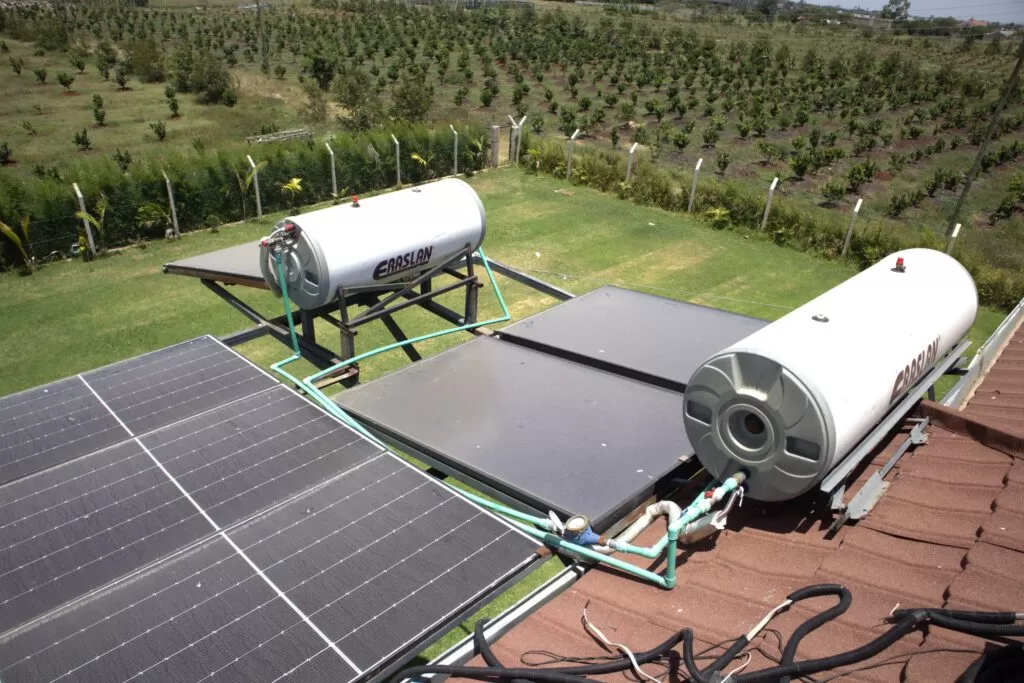
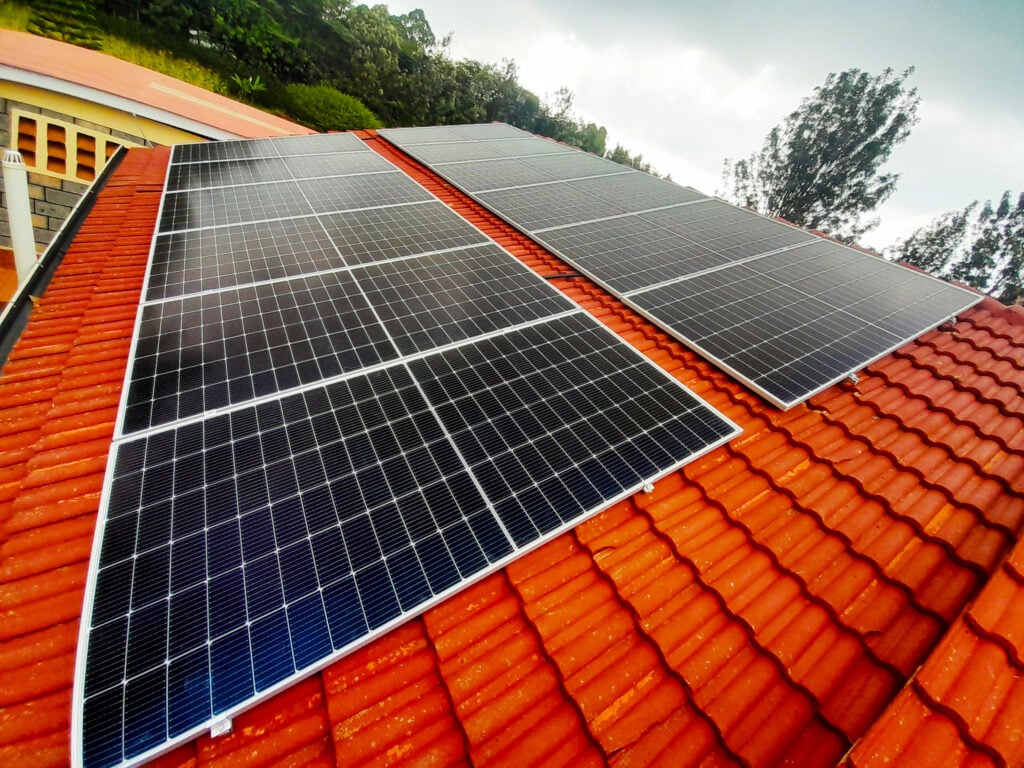
To go solar, you’ll need solar panels, inverters, racking equipment, and performance monitoring equipment––at a minimum. Depending on where you live, you may also consider a solar battery.
The components of a solar panel system are pretty simple. But different product options and brands can sometimes make the equipment selection process feel complex and confusing. We’ll break down everything you need to know about solar equipment to prepare you.
Some factors to consider as you weigh your options are efficiency, cost, warranty, and technology type. Solar panels will generally be categorized as one of two technologies: monocrystalline and polycrystalline. Both types have the same function and are made from silicon cells, but the outward appearance and price differ significantly. Monocrystalline panels are more efficient and expensive and come with a dark blue or black tint. Polycrystalline panels are a lighter blue hue, the cheaper and less efficient option.
Types of Solar Technology
These systems convert sunlight directly into electricity using solar cells made of semiconductor materials like silicon. They are commonly used in residential and commercial settings.
These systems use sunlight to generate heat, which can be used directly for heating spaces or water, or converted into electricity
This includes technologies like solar water heaters and solar air conditioning systems that use solar energy for heating and cooling purposes.
We Provide High-Quality Professional Services
- 1. Demand Research Communicate and confirm project requirements in detail.
- 2. On-Site Survey Our professional technicians conduct an on-site survey.
- 3. Solar Mounting Solution Design Design the most professional solar mounting system solutions.
- 4. Professional Installation We offer expert-level installation teams with full quality.