01

Industry Growth

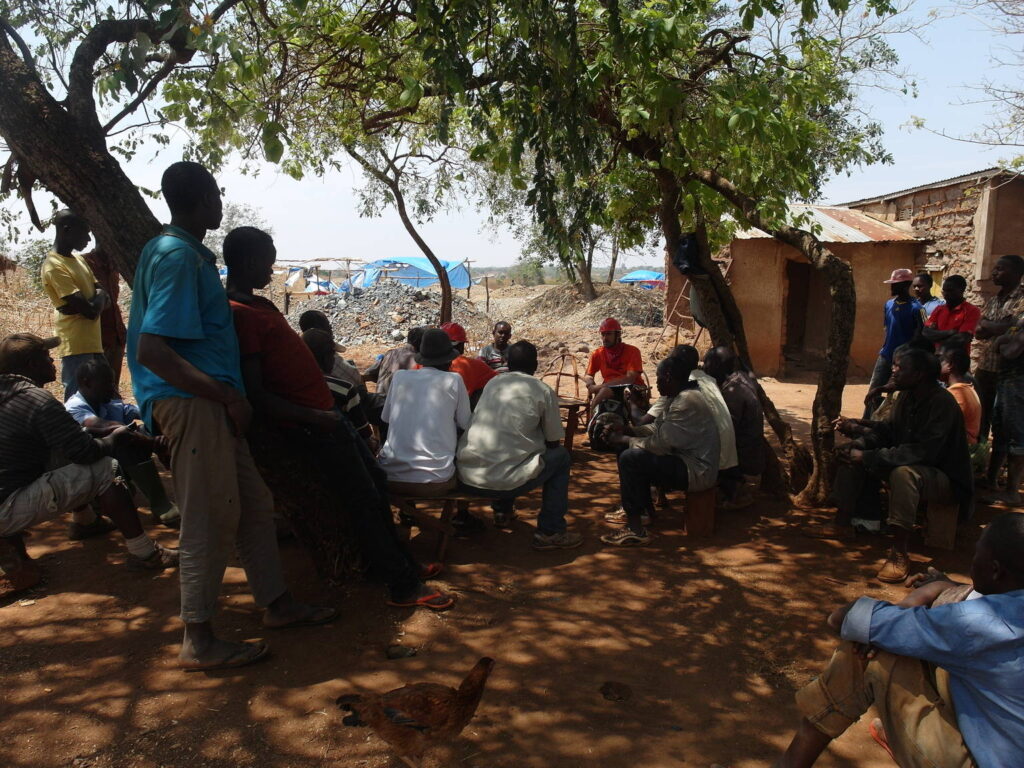
Kenya’s gold industry is poised for significant expansion in 2026, driven by recent discoveries and policy shifts toward value addition. Historically, gold mining in Kenya dates back to pre-colonial times, but modern commercial exploitation has accelerated since the 2010s.
02

Current Statistics

The country produced approximately 410 kg of gold in 2023, with projections for growth following the confirmation of massive deposits in western regions. Kenya’s gold sector contributes less than 1% to GDP currently, but with investments in processing facilities, it could rise substantially, creating thousands of jobs and boosting revenue.
03

Government Rules

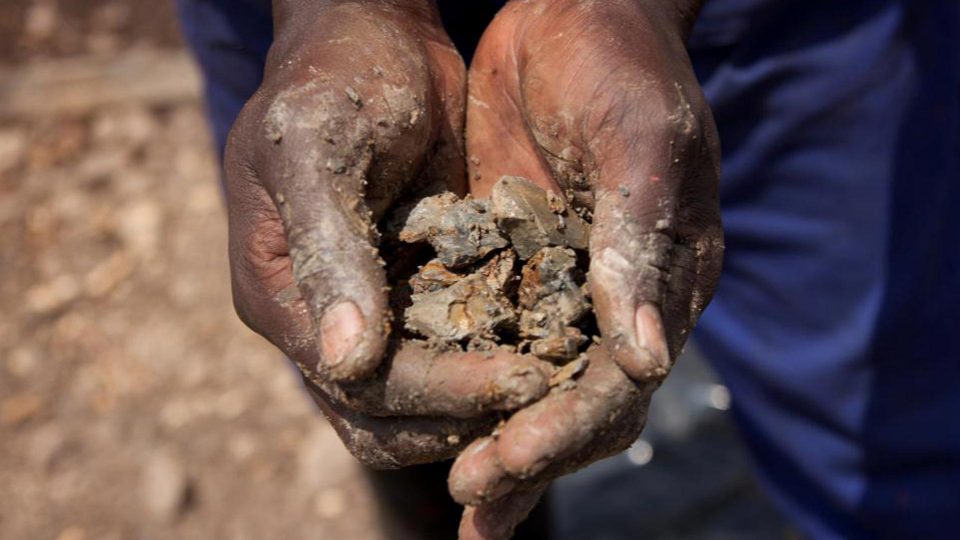
Government bodies play pivotal roles: the Ministry of Mining, Blue Economy and Maritime Affairs oversees licensing and policy; KRA handles customs and taxation; and the Kenya Bureau of Standards (KEBS) ensures quality certification. The Export Processing Zones Authority (EPZA) supports value-added exports in designated zones.
04

Exports

Exporters benefit from Kenya’s strategic location, with access to ports like Mombasa and airports such as Jomo Kenyatta International Airport (JKIA). However, success requires compliance to avoid pitfalls like export bans. This context underscores why understanding Kenyan gold export documentation and procedures is key to thriving in this dynamic market.

Ministry of Mining, Blue Economy and Maritime Affairs:

Kenya Revenue Authority (KRA)

Kenya Bureau of Standards (KEBS)

Issues mineral dealer’s licenses, export permits, and oversees the State Department for Mining. 

Manages customs clearance, tax compliance, and the Export Declaration Form (EDF). 

Certifies gold quality through assay reports, ensuring purity standards (e.g., 99.9% for bars).